
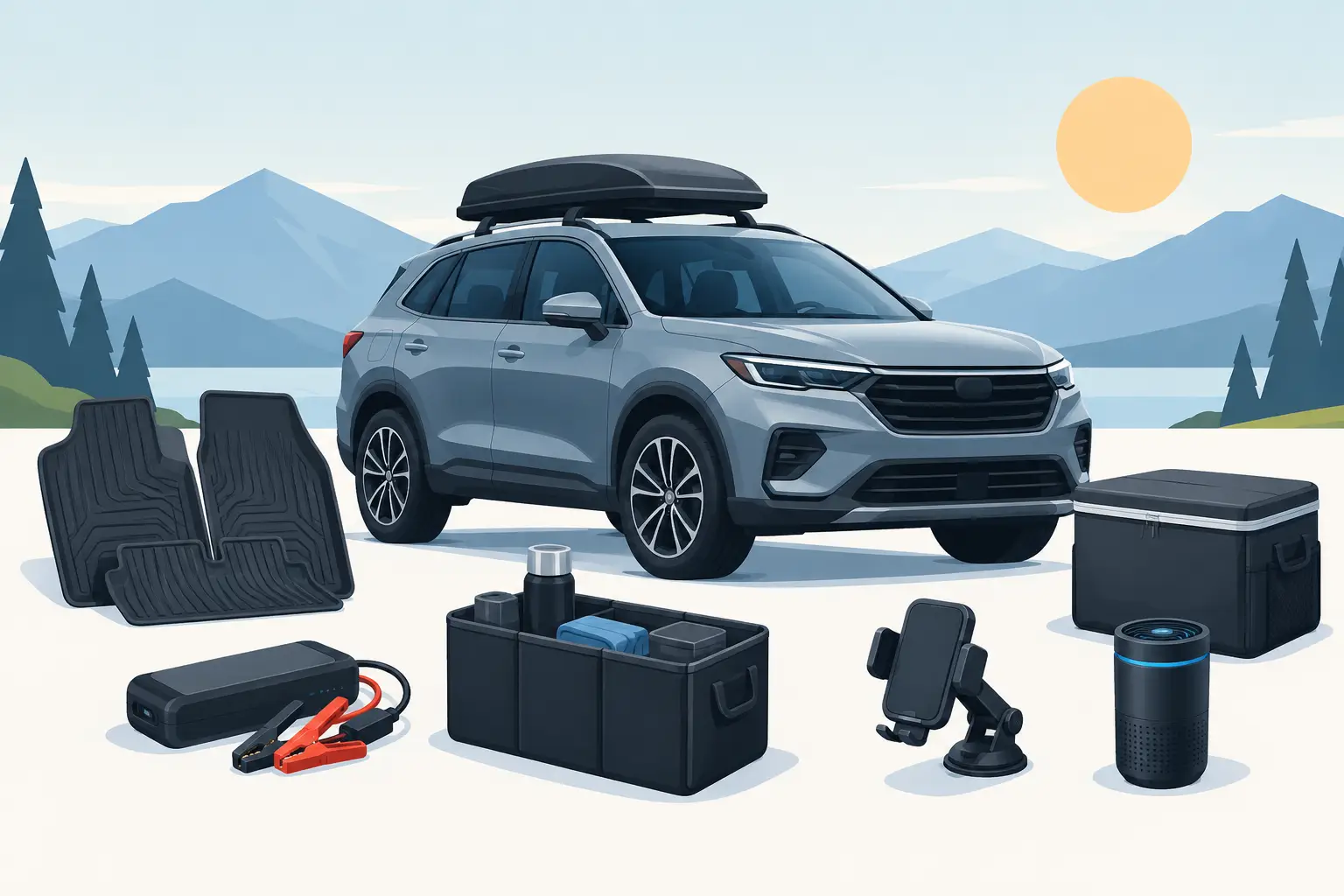
A good accessory solves a problem every time you drive. The right automotive accessories keep a phone visible on a busy commute, stop groceries from rolling through the trunk, protect expensive upholstery, or make a weekend wash look noticeably better. The wrong ones become loose plastic, poor-fitting clutter, and a reminder that a low price is not always a deal.
For most drivers, the smart move is not buying every popular add-on. It is choosing a few upgrades that match the vehicle, the way it is used, and the level of protection it needs. Whether you drive a Tesla, BMW, Audi, Mercedes-Benz, Porsche, Lexus, Land Rover, pickup, family SUV, or an older weekend car, buying with fit and function in mind pays off.
Start With the Job Your Vehicle Needs Done
Before comparing prices, identify the everyday annoyance you want to remove. A commuter who depends on navigation has different priorities than a parent hauling sports gear or a classic-car owner protecting original trim. Accessories work best when they answer a specific question: What happens in this vehicle that I want to make easier, safer, cleaner, or better organized?
Interior protection is usually the highest-value starting point. All-weather floor mats, cargo liners, seat-back protectors, and console organizers defend the areas that take the most abuse. They are especially worthwhile in regions with rain, snow, sand, pets, kids, or frequent outdoor activities. A set of vehicle-specific mats costs more than universal cut-to-fit mats, but the better coverage and retention points can justify it. Mats that slide under the pedals or curl at the edges are not a bargain.
For drivers who spend long hours behind the wheel, visibility and charging are often the next upgrades. A stable phone mount, reliable charging cable, and a compact USB-C car charger can turn a frustrating setup into an easy daily routine. Look for mounts designed for your dashboard, air vent, cup holder, or windshield style. Magnetic mounts are quick and clean, while clamp-style mounts offer more security on rough roads. The best choice depends on your phone case, vehicle layout, and whether you regularly share the car.
Automotive Accessories Worth Buying First
Some categories make sense for nearly every vehicle because they protect the car or improve daily use without changing how it drives. These are the upgrades that tend to earn their space.
Protection that preserves resale value
Paint, carpet, leather, and trim are expensive to repair and surprisingly easy to damage. Detailing basics such as pH-balanced car shampoo, microfiber towels, tire dressing, interior cleaner, glass cleaner, and a quality drying towel help prevent that slow buildup of grime that makes a vehicle look neglected. For newer vehicles, consider paint protection products and carefully selected wash tools rather than abrasive bargain bundles.
Leather and synthetic upholstery need their own approach. A cleaner made for interior surfaces can remove oils and spills without leaving a slippery shine, while a conditioner may help genuine leather stay supple. Always check what your seats are actually made from. Many luxury vehicles use synthetic leather, coated leather, Alcantara-style material, or a mix of surfaces that should not all be treated with the same product.
Exterior add-ons also need a practical filter. Mud flaps, door-edge guards, splash guards, and cargo-area bumper protectors can make sense for a daily driver. Decorative vent trim, adhesive spoilers, and universal body pieces may look appealing in a product photo, but poor fit can trap moisture, damage paint during removal, or simply look out of place. Style upgrades are personal. Fitment is not negotiable.
Storage that stops cabin clutter
A clean cabin feels better and works better. Center-console trays, seat-gap organizers, trunk nets, collapsible cargo bins, and backseat organizers all have a place when they match your routine. The key is avoiding storage products that reduce usable space or interfere with seat movement, airbags, latches, and cup holders.
For SUVs and sedans, a structured trunk organizer is useful for groceries, detailing supplies, emergency gear, and charging cables. Choose a model with non-slip feet, reinforced handles, and compartments sized for the items you actually carry. For pickups, bed storage needs more weather resistance and tie-down compatibility. For EV owners, small organizers can be particularly useful for managing mobile charging adapters, tire repair kits, and front-trunk essentials.
Safety and road-readiness gear
Emergency equipment is less exciting than a custom interior upgrade, but it may be the accessory you are happiest to have. A compact roadside kit should reflect where and when you drive. At minimum, consider a tire pressure gauge, portable inflator, jumper solution suited to your vehicle, flashlight, reflective safety item, basic first-aid supplies, and gloves.
Do not assume every jump starter works equally well for every engine or climate. Check its peak current rating, battery capacity, operating-temperature range, and connector quality. EVs and hybrids also have specific procedures for accessing and supporting the 12-volt battery, so review the owner’s manual before buying equipment or attempting a jump.
How to Check Fit Before You Buy
Fit is the difference between a useful accessory and a return label. Product titles often include make, model, year range, trim, body style, and sometimes left-hand-drive or right-hand-drive compatibility. Read every part of that information. A cargo mat that fits a 2024 SUV with a standard second row may not fit the version with a third row, a subwoofer, or a different cargo floor.
For model-specific luxury-car accessories, verify the exact generation and interior configuration. BMW, Audi, Mercedes-Benz, Porsche, Tesla, Lexus, and Land Rover lineups can change center consoles, charging ports, seat shapes, and trunk dimensions across model years. Do not rely on photos alone, even if the vehicle shown looks like yours.
Measurements matter for universal accessories. Check a phone mount’s clamp width, an organizer’s height, a sunshade’s dimensions, and a cargo bin’s footprint. If an item attaches with adhesive, confirm that it is safe for the intended surface and that the manufacturer provides removal guidance. Heat, textured dashboards, soft-touch trim, and coated leather can all affect adhesion.
Price Is Only One Part of the Deal
A sale price gets attention, but value comes from materials, fit, durability, and how often the product will be used. A discounted universal accessory can be a great find if it solves a simple problem. For vehicle-specific protection or electronics, paying more for the correct fit, safer construction, and clearer compatibility details is often the cheaper decision over time.
Compare original price, current price, product dimensions, material descriptions, and included components before adding an item to the cart. A low-cost detailing kit may seem complete until you notice it lacks the towels, applicators, or surface-safe formula you need. A phone charger may advertise fast charging but require a separate cable or fail to provide enough power for your device.
Reviews can help, but use them carefully. Look for comments from owners of the same vehicle and model year. Pay attention to recurring details about rattling, fading, odor, weak adhesives, heat performance, or installation difficulty. One unhappy review is normal. A repeated complaint about the same failure is useful buying information.
Build an Upgrade Plan Instead of Filling the Cart
If your vehicle needs attention in several areas, buy in order of impact. Start with protection and safety, then add convenience, storage, and cosmetic touches. This approach keeps the budget focused while letting you see what the vehicle actually needs after each upgrade.
A practical first round might include fitted floor mats, a cargo solution, a secure phone mount, charging gear, and a small roadside kit. Next, add detailing supplies tailored to your paint and interior materials. Only then consider appearance-driven accessories, where personal taste matters more and compatibility mistakes cost more time.
GodrakeShop makes this easier by organizing automotive finds around real use cases, from car care and interior organization to luxury-model upgrades and everyday mobile tech. Watch for current pricing, compare specifications, and save the items that fit your vehicle rather than rushing into a purchase because the discount looks good.
The best accessory purchase should feel almost invisible after installation. It should protect something, simplify something, or make every drive a little more enjoyable. Choose that kind of upgrade, and your car will feel better equipped without feeling overdone.