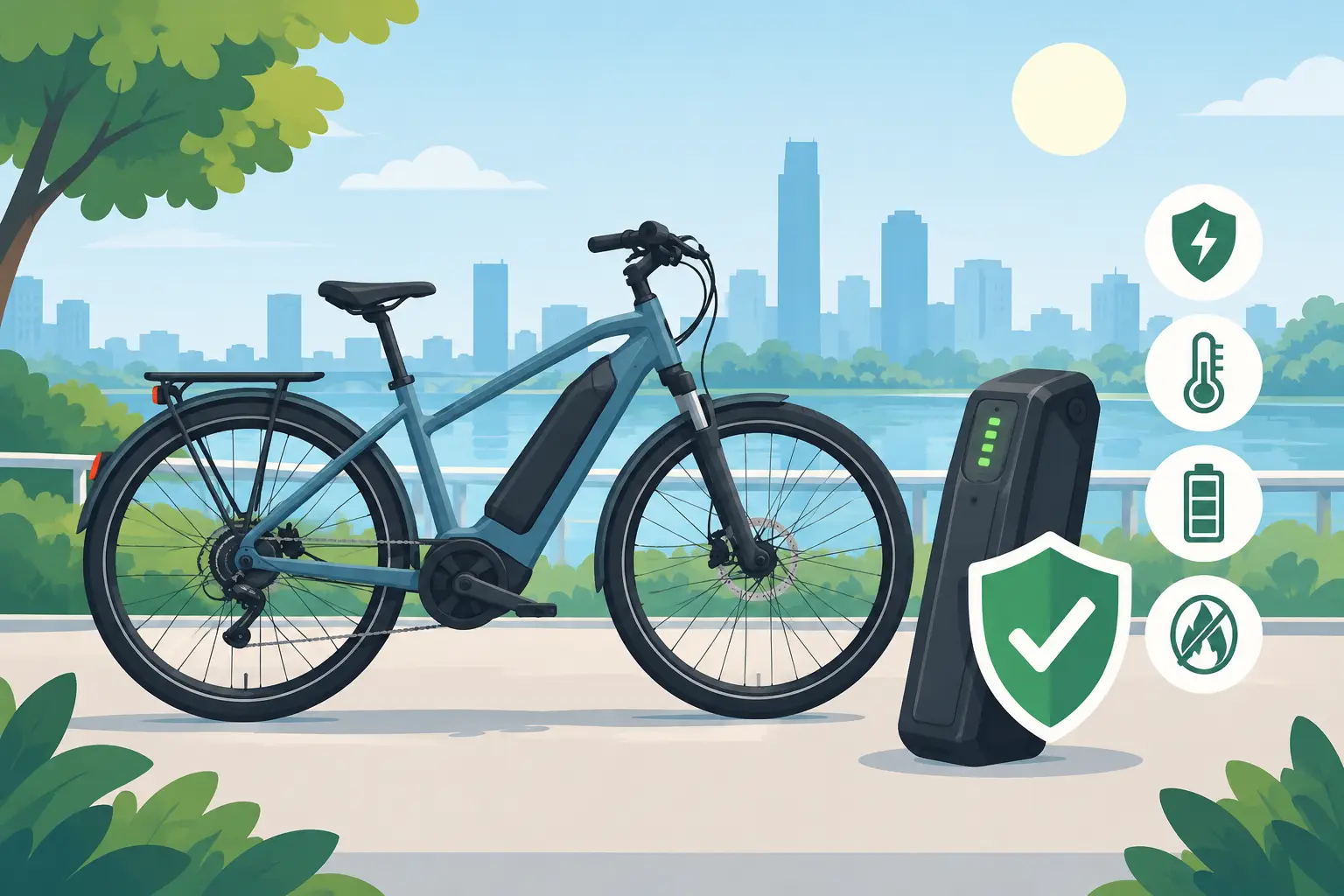
A discounted e-bike can make a daily commute, campground loop, or weekend errand run feel like a serious upgrade. But the battery deserves more attention than the frame color, motor wattage, or accessory bundle. Smart e-bike battery safety protects your investment, helps preserve range, and reduces the risk of a small charging mistake turning into an expensive emergency.
Most e-bikes use lithium-ion battery packs. They deliver impressive power in a compact case, but they do not like abuse, extreme temperatures, water intrusion, or bargain-bin charging gear. The good news is that safe ownership is straightforward once you build a few habits around charging, storage, riding, and replacement parts.
Start With the Battery and Charger That Belong Together
The safest setup is usually the simplest one: use the battery supplied with the e-bike and the charger specified by that bike’s manufacturer. Voltage, charging current, connector shape, and battery management electronics all need to match. A plug that physically fits is not proof that a charger is compatible.
It can be tempting to replace a lost charger with the lowest-priced option that claims to work with multiple e-bike brands. That is a poor place to chase a deal. A quality replacement should be made for your exact battery voltage and connector, include clear electrical specifications, and come from the bike manufacturer or a reputable battery specialist.
The same rule applies to replacement packs. Avoid loose battery cells, mystery-brand packs with vague capacity claims, and DIY modifications unless the work is being done by a qualified professional. A legitimate pack should have a durable enclosure, a battery management system, clear labeling, and instructions that identify compatible bike models.
E-Bike Battery Safety During Charging
Charge on a hard, nonflammable surface such as a concrete floor, tile floor, or a sturdy metal workbench. Keep the battery and charger away from gasoline, paint, paper, cardboard, laundry, pet beds, and anything else that could burn quickly. A clear area in a garage or utility space is better than charging beside the front door, under a staircase, or next to the sofa.
Choose a dry location with normal room temperatures. Do not charge a battery that is extremely hot from a summer ride or freezing cold from being left in a vehicle overnight. Let it return to a moderate temperature first. If the battery is removable, bringing it indoors after a cold-weather ride is usually the practical move.
Stay nearby while the battery charges, especially if the battery is new, has been stored for a long time, or has recently been dropped. Overnight charging may be convenient, but it removes your chance to notice an unusual smell, heat buildup, or charger fault. Once the indicator shows a full charge, unplug the charger from the wall and disconnect it from the battery.
Do not use damaged extension cords, overloaded power strips, or cheap adapter stacks. If an extension cord is unavoidable, use one rated for the load and keep it fully uncoiled and dry. Better yet, charge directly from a properly grounded wall outlet.
Store It for the Season Without Draining Its Value
Long-term storage is where many good batteries lose performance. If you are putting the e-bike away for several weeks or through winter, do not leave the pack fully charged or completely empty. Many manufacturers recommend storing lithium-ion batteries around a partial charge, often roughly 30% to 70%. Check the manual for the recommended range for your specific model.
Store the battery indoors in a cool, dry spot, away from direct sunlight and heat sources. A shed that bakes in July or a trunk that freezes in January is not ideal. Remove the battery from the bike when practical, particularly if the bike will sit in an unheated garage or outdoor storage area.
Check the charge level every month or two. Batteries slowly lose charge even when disconnected. Recharging a stored battery before it drops too low can help prevent a deep-discharge condition that may leave it unable to recover.
For commuters, this also means not treating the car as a battery locker. A locked vehicle may protect against theft, but it can expose the pack to temperature swings that shorten its useful life.
Protect the Pack While You Ride and Transport
An e-bike battery case is built for normal road vibration, not repeated impacts. Make sure the pack clicks fully into its mount and that the locking mechanism works. If the battery rattles, shifts, or takes extra force to install, stop and inspect the mounting rail, contacts, and latch before riding.
Rain-rated e-bikes can handle normal wet-road use, but that does not make every battery waterproof. Avoid submerging the bike, spraying the battery compartment with a pressure washer, or leaving a removable pack exposed during a storm. Wipe moisture from the contacts before reinstalling the battery.
When transporting your e-bike on a hitch rack, remove the battery first and carry it inside the vehicle in a secure position. This reduces the weight on the rack and protects the pack from rain, road debris, theft, and high-speed vibration. Cover exposed bike contacts with the manufacturer-provided cap if available.
Warning Signs That Call for Immediate Action
A healthy battery should not swell, leak, hiss, smoke, smell sharply chemical, or become excessively hot during normal use. Do not ignore changes because the bike still powers on. Stop using the battery and charger if you notice any of these signs:
- A cracked case, melted connector, loose wires, or visible corrosion around the contacts
- Bulging, swelling, leaking fluid, or discoloration on the battery housing
- A burning, sweet chemical, or unusual plastic odor while charging or riding
- Sudden range loss, repeated shutdowns, charging failures, or heat that makes the pack uncomfortable to touch
Move away from a smoking or burning battery, keep people and pets clear, and call 911. Do not attempt to open the pack, cool it with water, or carry it through your home. If a battery has been submerged, badly crashed, or exposed to fire, treat it as damaged even if there is no immediate visible problem. Contact the e-bike manufacturer, dealer, or a qualified battery service provider for next steps.
Buy for Safety, Not Just the Biggest Discount
A sale price matters, especially when you are comparing e-bike accessories, locks, lights, racks, and replacement gear. But battery-related purchases are one category where complete product details should carry more weight than a flashy percentage-off badge.
Before buying a charger or battery, confirm the exact e-bike model, battery voltage, connector type, and manufacturer-approved compatibility. Read the listing for certification details, warranty coverage, included charging hardware, and clear contact information for the seller. Be cautious with products that promise dramatically higher range in a smaller package or use generic descriptions without model-specific fitment.
A fire-resistant charging bag or battery storage case can add a layer of organization, but it is not permission to charge unsupervised or use damaged equipment. Think of it as a useful accessory, not a substitute for the right battery, the right charger, and a clear charging area.
Make a Quick Pre-Ride Check Part of the Routine
Before leaving, glance at the battery case, mounting latch, charge indicator, and connector area. It takes less time than checking tire pressure. If the battery is secure, dry, undamaged, and charged with its approved equipment, you are starting your ride on much better footing.
The best upgrade is not always another accessory. Sometimes it is a clean charging space, a correctly matched replacement charger, and the confidence to stop using a battery that no longer looks or behaves right. Those small choices keep your e-bike ready for the rides you actually want to take.