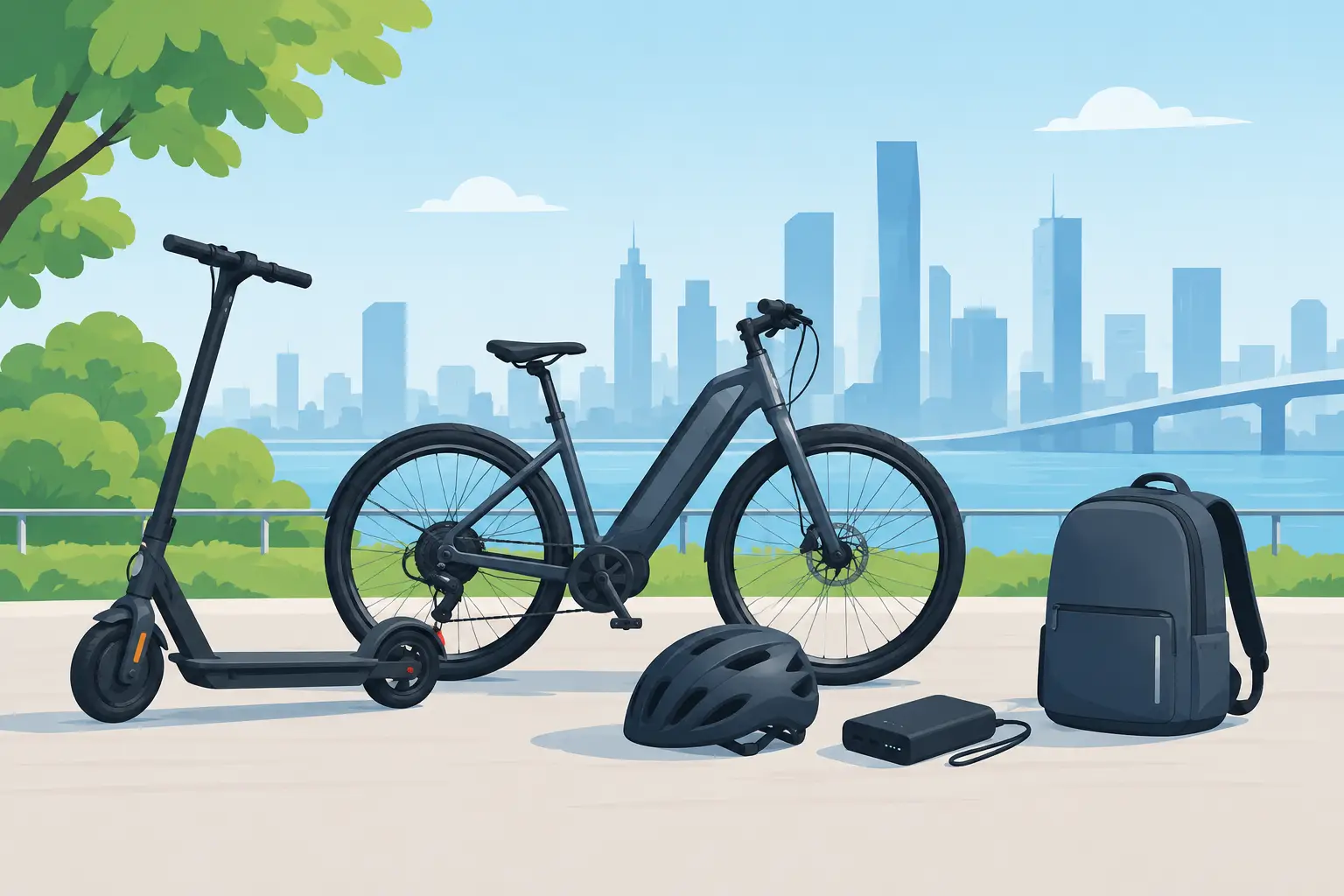
A short ride can turn frustrating fast when a phone dies, a scooter has nowhere secure to park, or an e-bike rider realizes too late that the weather has changed. Electric mobility is not only about buying an e-bike, electric scooter, or personal transporter. The right accessories determine whether that vehicle becomes a reliable part of your routine or an expensive item that stays in the garage.
For commuters, campus riders, weekend explorers, and drivers adding a compact ride to their trunk, the best upgrades solve everyday problems: security, visibility, storage, navigation, and charging. Start with the gear that matches how and where you actually ride, then watch for limited-time offers on recognizable brands and practical bundles.
Start With Your Real Electric Mobility Routine
An e-bike built for a 15-mile commute needs different gear than a lightweight scooter used for the last mile from a parking garage to the office. Before adding accessories to your cart, think about where the vehicle sits during the day, how far you travel, whether you ride after dark, and what you need to carry.
Apartment residents and city commuters should put security at the top of the list. Riders who store their vehicle in a garage may get more value from organization, tire-care tools, and charging protection. If your e-bike travels on a hitch rack or your folding scooter rides in the cargo area of a Tesla, BMW, Audi, or SUV, compact storage and vehicle-interior protection can matter just as much as ride gear.
It also pays to check compatibility before chasing a discount. Handlebar diameter, mounting space, tire valve type, battery connection, and manufacturer charging guidance all affect whether an accessory will work as expected. A universal product can be convenient, but model-specific fit is often worth it for phone holders, cargo racks, covers, and storage solutions.
The Electric Mobility Essentials Worth Buying First
A lock matched to the parking risk
A lock is not an accessory to buy at random. A basic cable lock may be fine for a quick stop when the vehicle remains in view, but it is not the right choice for leaving an e-bike outside a gym, station, or apartment building. For higher-risk parking, a hardened U-lock or heavy chain lock offers more resistance to cutting and prying.
The trade-off is weight. A serious chain can add several pounds to an already heavy e-bike, while a U-lock may be easier to carry but harder to fit around oversized racks or wide frames. Look for a lock that secures the frame and, when possible, a wheel to a fixed object. If your battery is removable, take it with you whenever practical.
A helmet you will actually wear
A helmet only helps if it is comfortable enough to become automatic. Choose one designed for cycling or e-bike use, with a secure fit system and ventilation that works for your climate. Riders using faster e-bikes or scooters should pay closer attention to coverage, retention, and certification rather than selecting based on color alone.
For regular commuting, features such as an integrated rear light, reflective details, and a removable visor can add useful value. Measure your head and follow the brand sizing chart. A loose helmet can shift during a ride, while an overly tight one becomes a reason to leave it at home.
Lights that make you visible, not just visible to yourself
Built-in e-bike lights are convenient, but they are not always enough for rain, dusk, poorly lit paths, or busy roads. A bright front light helps identify road hazards, while a rear light gives drivers and other riders a clearer signal that you are ahead.
Consider a second rear light on a backpack, helmet, or rack if you commute in traffic. Flash modes can improve daytime recognition, but steady modes may be easier for others to judge at night. Rechargeable USB lights are simple to maintain, provided you remember to charge them. For frequent riders, keeping a small charging cable at work or in a vehicle avoids a dead-light surprise.
A phone mount and backup power plan
Navigation, ride tracking, calls, and emergency access make a secure phone mount one of the highest-value upgrades for many riders. Look for a mount with a firm clamp, vibration resistance, and a retention system suited to your phone size and case. If your route includes rough pavement, avoid thin plastic mounts that depend on one small contact point.
A mount should never block a display, brake lever, bell, or light control. Water-resistant storage or a compact handlebar bag can be a better answer for riders who do not want their phone exposed in heavy rain. For long days, bring a power bank rather than trying to improvise a charging setup from the vehicle battery.
Charging Gear: Protect the Battery You Paid For
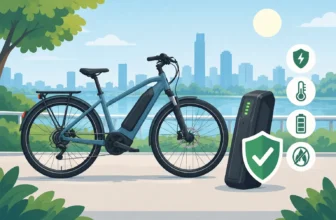
The battery is usually the most expensive component on an e-bike or scooter, so charging habits deserve more attention than most riders give them. Use the charger specified or approved by the manufacturer. Cheap replacements with uncertain voltage, plug fit, or thermal protection can create real performance and safety problems.
Charge on a hard, dry surface away from direct heat, combustible materials, and busy walkways. Do not cover the charger or battery while charging. If a battery case is swollen, cracked, unusually hot, smells strange, or has damaged contacts, stop using it and contact the manufacturer or a qualified service provider.
A quality surge protector can add a useful layer of protection at home, but it does not make unattended overnight charging risk-free. When traveling, a padded battery bag or protective case helps prevent contact damage. Check airline and local transportation rules well before planning to travel with a lithium battery.
Carry More Without Making the Ride Awkward
Backpacks work for light loads, but groceries, work gear, tools, and a lock can become uncomfortable quickly. A rear rack, pannier bags, front basket, or compact cargo bag can make daily electric mobility far more practical. The right choice depends on the vehicle’s approved mounting points and weight capacity.
Keep heavy items low and centered whenever possible. A high, overloaded rear bag can affect handling, especially on scooters and compact e-bikes with smaller wheels. Waterproof panniers are worthwhile for commuters, while a simple trunk bag may be enough for a charger, tire kit, and jacket.
For folding scooters, a handlebar bag can be useful, but avoid hanging heavy shopping bags from the bar. That extra weight can interfere with steering and make the ride unpredictable. A small bag with a secure strap is the better move.
Small Maintenance Items That Prevent Big Interruptions
Electric assistance does not eliminate normal bike or scooter maintenance. Tires still lose pressure, bolts can loosen, brake pads wear down, and road debris finds its way into moving parts. A compact tire pump with a pressure gauge, a repair kit, and the correct multi-tool are easy additions that can save a pickup call or a long walk home.
Check tire pressure regularly because underinflated tires can reduce range, make steering feel sluggish, and increase puncture risk. Inspect brakes before longer rides, especially after wet weather. Keep the chain clean and properly lubricated on chain-driven e-bikes, using a bike-specific product rather than a random household spray.
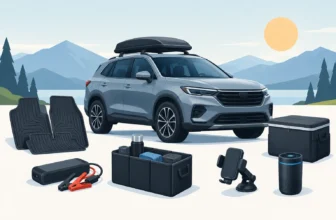
If you transport your vehicle in a car, add a durable cargo liner, tie-down straps rated for the job, and padding where metal components could contact interior trim. Protecting the vehicle that carries your ride is part of a smart setup, especially for premium interiors and weekend road trips.
Shop Deals Without Buying Gear You Do Not Need
A lower price is only a win when the product fits your vehicle and routine. Compare dimensions, load ratings, materials, charging specifications, and included hardware before checking out. Product photos can make a bag look roomy or a lock look substantial, so use listed measurements and customer feedback to set realistic expectations.
Bundles can be a good value when they include items you would buy anyway, such as lights, a phone mount, and a tire kit. They are less appealing when one weak item determines the entire purchase. Prioritize the products that affect safety and security first, then build out convenience upgrades as your riding habits become clear.
Today’s favorites are often simple products that remove friction from every trip: a lock that is easy to carry, lights that are easy to recharge, and storage that keeps essentials in one place. Choose those practical wins first, and your next ride will feel less like a workaround and more like the easiest part of the day.