A brake pedal that feels different on your normal commute is not the time to hunt for the cheapest mystery parts. Brake pad replacement is routine maintenance, but the right pads, correct fitment, and a realistic view of rotor condition make the difference between confident stops and an expensive do-over.
For daily drivers, performance sedans, SUVs, EVs, and treasured classics, the smart move is to shop before the warning squeal becomes metal-on-metal grinding. That gives you time to compare pad materials, check model compatibility, and choose whether the job belongs in your garage or at a trusted brake shop.
Brake Pad Replacement: Signs It Is Time
Brake pads do not wear on a calendar alone. City traffic, steep grades, towing, spirited driving, vehicle weight, and driving habits all change how quickly friction material disappears. Many vehicles need pads somewhere between 30,000 and 70,000 miles, but mileage is only a rough shopping signal, not a diagnosis.
The most familiar warning is a high-pitched squeal when braking. Many pads include a small wear indicator designed to make noise once the material gets thin. It is useful, but it is not universal. Dust, moisture, and certain performance pad compounds can also make noise without being worn out.
Pay closer attention when you notice longer stopping distances, a brake pedal that feels soft or requires more pressure, vibration through the pedal or steering wheel, or a vehicle that pulls to one side under braking. A brake warning light or electronic pad-wear alert deserves prompt attention too. Those symptoms can point beyond the pads to rotors, brake fluid, calipers, or a sensor issue.
Grinding is the one sound to treat as urgent. It can mean the pad material is gone and the backing plate is contacting the rotor. Continuing to drive may turn a pad purchase into pads, rotors, caliper hardware, and labor.
Choose Pads That Match Your Vehicle and Driving
There is no single best brake pad for every garage. The best value comes from choosing a pad that fits the vehicle, the brake system, and how you actually drive it. Before adding anything to your cart, confirm the year, make, model, trim, engine or powertrain, drivetrain where applicable, and front versus rear axle. Luxury and performance models often have multiple brake packages, so rotor diameter, caliper style, and factory option codes can matter.
Ceramic pads for quiet, clean daily driving
Ceramic brake pads are a popular upgrade for commuters and premium daily drivers. They are generally quiet, produce less visible dust than many alternatives, and offer predictable braking in normal street use. They can cost more upfront, but drivers who want cleaner wheels on a BMW, Audi, Mercedes-Benz, Lexus, or Tesla may find that trade-off worthwhile.
Ceramic is not automatically the performance choice. On a track-focused car or a vehicle that sees repeated hard stops, a street-oriented ceramic compound may not deliver the heat tolerance you need.
Semi-metallic pads for stronger bite
Semi-metallic pads use metal fibers in the friction material and are common on trucks, SUVs, and vehicles that carry cargo or tow. They often provide solid cold bite and handle heat well. The trade-off can be more brake dust, more rotor wear, and occasional noise compared with ceramic options.
For a work vehicle, family SUV, or a heavier electric vehicle, dependable braking under load can matter more than spotless wheels. Look for pads designed specifically for the vehicle’s weight and brake system rather than choosing solely by price.
Organic pads for basic replacement needs
Organic pads are often an affordable option for lighter-duty driving. They can be quiet and easy on rotors, but they usually wear faster and may not handle repeated high-heat braking as well as ceramic or semi-metallic choices. They are best considered for the right low-demand application, not as a universal bargain.
Do Not Shop for Pads Alone
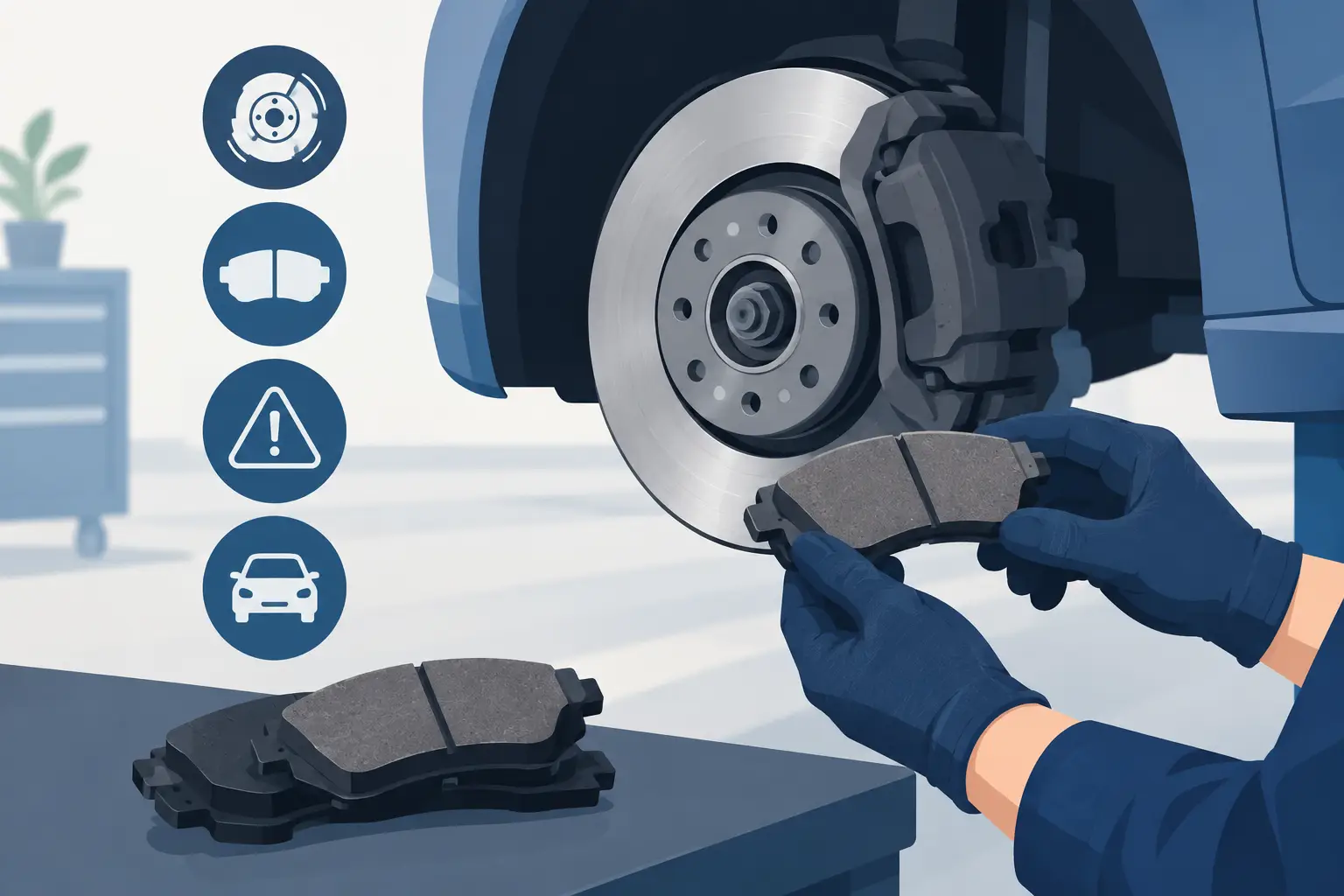
A brake pad set is only one part of a proper service. When pads are removed, inspect the rotors for deep grooves, cracking, heavy rust, heat spots, and thickness below the manufacturer’s minimum specification. Rotors can sometimes be resurfaced, but replacement is often the more practical choice when they are worn, warped, or close to their discard thickness.
Hardware matters too. Pad clips, shims, abutment hardware, slider-pin boots, and brake wear sensors can affect noise, pad movement, and even wear. A low-price pad set may look like a deal until you discover it does not include the clips or sensor needed to finish the job. Compare exactly what is in the box.
For a complete, convenience-focused purchase plan, check these details before checkout:
- Front or rear axle fitment, plus the exact brake package
- Pad material and intended use, such as daily driving, towing, or performance street use
- Included shims, clips, hardware, and electronic wear sensors
- Rotor compatibility, dimensions, and whether replacement is recommended
- Brand reputation, warranty terms, current price, and available discount
This is where comparison shopping pays off. A recognizable brand with correct hardware and vehicle-specific fitment is often a better buy than a no-name kit that creates fitment questions on installation day.
DIY Brake Pad Replacement or Professional Service?
Brake pad replacement can be a manageable DIY project for an experienced home mechanic with the right tools. You typically need a floor jack, jack stands, lug wrench, sockets, a torque wrench, a caliper piston tool, brake cleaner, and the correct lubricant for contact points. You also need a safe, level workspace and enough time to work carefully.
The job is not just removing old pads and sliding in new ones. Caliper pins need inspection and lubrication where specified. Pads must sit correctly in their hardware. Fasteners need manufacturer-approved torque. Brake fluid level must be checked, and the new pads must be bedded in according to the pad maker’s instructions.
Modern vehicles add complications. Electronic parking brakes may require service mode. Some performance calipers use different procedures, sensors, and hardware. Regenerative braking on EVs can make pads last longer, but it does not eliminate corrosion, stuck slide pins, or rotor rust. If a procedure is unfamiliar, a professional inspection is a sensible cost-control decision.
Avoid DIY if the brake pedal is sinking, fluid is leaking, a caliper is seized, braking is uneven, or you are unsure about lifting the vehicle safely. Brakes are not the place to learn through guesswork.
Get Better Value From Your New Pads
The lowest listed price is not always the lowest total cost. Pads that wear too quickly, squeal constantly, or do not include necessary hardware can erase the initial savings. Look for current deals on vehicle-specific pad sets and consider a matched pad-and-rotor package when rotors are already worn.
Keep your wheels, tires, and suspension in the decision too. A vibration blamed on pads may come from rotor runout, uneven lug-nut torque, worn suspension components, or tire issues. Replacing parts without diagnosing the cause wastes money and may leave the original problem untouched.
After installation, follow the bedding procedure, avoid hard braking for the recommended break-in period, and listen for unusual noise. A brief smell or light smoke during bed-in can happen with some compounds, but persistent grinding, pulling, or warning lights call for immediate inspection.
Your brakes do not need the flashiest upgrade in the garage. They need the right parts, installed correctly, ready for the stop you did not see coming. Shop fitment first, value second, and treat every new noise from the brake pedal as a reason to check before it becomes a bigger repair.