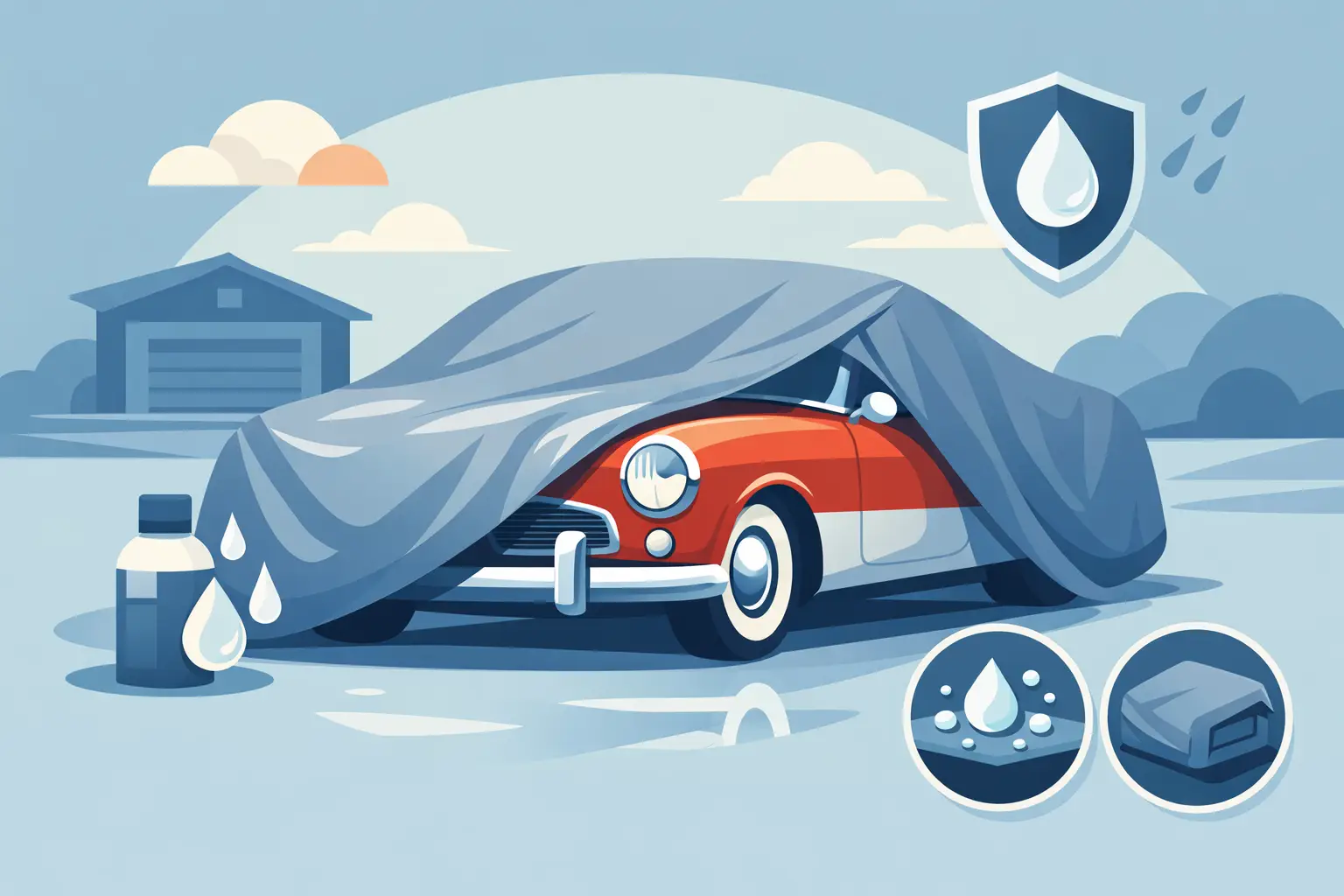
That freshly polished paint, bright trim, and original vinyl top can lose their edge fast when a car sits exposed to rain, tree debris, and hard UV. A waterproof cover for classic cars is one of the most practical upgrades for owners without a fully protected garage, but choosing the cheapest cover labeled “waterproof” can create a new problem: trapped moisture against vintage paint and aging seals.
For a classic you drive on sunny weekends, keep at a second property, or store through winter, the right cover protects the details you have spent time and money preserving. The smart buy is not simply the thickest material or the lowest deal price. It is the cover that matches where the car lives, how often it moves, and how precisely it fits.
Why Classic Cars Need More Than Basic Rain Protection
Modern vehicles are generally built with better corrosion protection, tighter seals, and finishes designed for daily exposure. Classic cars can be far less forgiving. Rainwater may find its way around old window channels, convertible-top seams, trunk weatherstripping, or door seals. Even a small amount of standing moisture can encourage rust in areas that are difficult to inspect.
Paint also changes the equation. Older single-stage finishes, original lacquer, fresh restoration paint, and delicate chrome all deserve a softer touch than a generic tarp can provide. A basic plastic tarp may block rain, but it can rub in the wind, trap condensation, and leave the vehicle looking worse than when it was covered.
A quality outdoor car cover should create a protective barrier without turning the space beneath it into a humid pocket. That balance matters more than a bold waterproof claim on a product listing.
Waterproof Cover for Classic Cars: What to Look For
The best material depends on your parking situation. If your classic sits outdoors in a rainy region, you need real water resistance and sealed construction. If it stays under a carport or in a garage, breathability and a soft inner layer may matter more than maximum rain blocking.
Water resistance versus breathability
A fully waterproof outer shell prevents rain from soaking through, which sounds ideal. However, a cover that cannot release moisture may hold condensation underneath after temperature swings. That is especially risky in humid states, near the coast, or during spring and fall storage.
Look for a multi-layer cover described as water-resistant or waterproof with breathable fabric. The wording varies between brands, so check the listed material, layer count, and intended use. Covers made for all-weather outdoor storage often use a water-repellent outer layer paired with a softer inner surface. For most owners, that is a better all-around choice than a thin, non-breathable plastic-style cover.
A soft inner lining
The inside of the cover touches the vehicle, so this feature deserves close attention. A soft fleece, cotton-like, or non-abrasive lining helps protect paint, chrome, and plastic trim from light contact. It is particularly valuable for restored cars, dark paint colors, and cars with high-gloss finishes that show marks easily.
Even a premium lining is not a free pass to cover a dirty car. Dust, grit, pollen, and dried road film can become abrasive when wind moves the cover. Wash the car or at least remove loose debris before covering it for more than a day or two.
A vehicle-specific or close custom fit
Fit is where value often separates a good deal from a frustrating purchase. A universal cover may cost less, but extra fabric can flap against the paint, collect water, and make installation annoying. A cover sized for your vehicle’s body style stays more stable and looks cleaner in storage.
Before you shop, confirm the car’s year, make, model, body style, and any changes that affect its shape. A 1967 Mustang coupe, fastback, and convertible do not share the same roofline. The same is true for Corvette generations, full-size Cadillac sedans, classic Porsche coupes, and vintage pickup trucks with bed caps or custom mirrors.
Measure these areas if the listing provides size ranges:
Overall vehicle length, including bumpers and aftermarket accessories
Width at the widest point, usually the mirrors or fenders
Height from the ground to the highest roof or convertible-top point
Any spoiler, luggage rack, antenna, spare tire, or custom bodywork
A snug cover does not mean tight enough to strain against sharp trim. It should follow the vehicle’s shape while leaving enough material to secure under the rocker panels.
Straps, elastic hems, and tie-down points
Wind can defeat an otherwise excellent cover. Strong elastic at the front and rear hems helps keep it in place, while underbody straps add security during storms or long outdoor storage. Grommets or reinforced tie-down points can be useful, but inspect where straps contact the body so they do not rub paint or trim.
For a car parked outdoors, do not skip this feature to save a few dollars. Replacing a blown-off cover after a storm is inconvenient. Repairing scuffed paint or a damaged antenna is worse.
UV protection and heat control
Rain gets attention, but sun is often the bigger long-term threat. UV exposure can fade paint, dry out rubber seals, crack dashboards, and age convertible tops. A cover with UV-resistant fabric helps reduce that wear, especially in Southern states, high-altitude areas, and driveways with full afternoon sun.
Lighter-colored exterior fabrics may also reduce heat buildup compared with dark covers. This does not replace a shade structure or climate-controlled storage, but it can make a meaningful difference for a car that spends weeks outside.
Match the Cover to How You Store Your Car
A daily-driven classic needs a different solution than a show car stored for months. Buying based on use keeps you from overspending on features you will not use or underbuying for harsh weather.
For occasional outdoor parking, choose a breathable all-weather cover with water resistance, UV protection, a soft inner layer, and secure straps. This is the best middle ground for a weekend cruiser that may face rain between drives.
For long-term outdoor storage, move toward a heavier multi-layer cover with stronger tie-downs and reinforced seams. Check it regularly, particularly after storms. No cover can fully substitute for indoor storage when snow, ice, standing water, falling branches, or extreme wind are in the forecast.
For garage storage, a lightweight indoor cover is often the smarter purchase. It keeps dust off the paint and prevents minor scratches without holding moisture against the vehicle. A heavy waterproof cover in a damp garage can be unnecessary unless the roof leaks or wind-driven rain reaches the car.
For carports and covered patios, the answer depends on exposure. If rain blows in from the sides or the car gets direct morning or afternoon sun, an outdoor-rated cover still makes sense. If the vehicle remains dry and shaded, prioritize a soft, breathable cover instead.
Common Buying Mistakes That Cost More Later
The most common mistake is buying by price alone. Limited Time Offers and discount percentages can make an oversized universal cover tempting, but a poor fit can wear paint faster than no cover at all. Compare the stated vehicle dimensions and compatibility notes before making the quick purchase.
Another mistake is covering a wet car. If rain has already soaked the vehicle, let it dry as much as possible before installing the cover. Covering wet paint, wet carpeting, or a damp convertible top for days can lead to mildew, water spots, and stale interior odors.
Owners also forget to remove or manage antennas. A fixed antenna can poke a hole through a cover over time. If it cannot be removed, look for an antenna patch, an appropriate opening, or a cover style designed to accommodate it. The same applies to sharp hood ornaments, aftermarket mirrors, and tall rear spoilers.
Finally, do not treat a cover as a set-it-and-forget-it item. Remove it periodically to inspect the finish, air out the car, and check for pooled water or trapped debris. This is especially worthwhile during seasonal storage.
Get Better Value From Your Cover Purchase
When comparing classic-car covers, focus on the details that affect real ownership: exact fit, outdoor rating, material layers, soft lining, UV resistance, straps, storage bag, and warranty terms. A recognizable brand and a strong discount are good signals, but the listed specs should decide the purchase.
It also pays to think beyond the cover itself. A basic cleaning kit, tire covers, moisture absorbers for the cabin, and a battery maintainer can help create a more complete storage setup. You do not need every accessory at once. Start with the items that solve the biggest risk where your classic is parked.
GodrakeShop-style deal hunting works best when you know your non-negotiables before comparing offers. For an outdoor classic, fit and breathability belong at the top of that list. A better-priced cover is only a better deal if it protects the car you actually own.
Your classic has already outlasted trends, weather, and decades of changing roads. Give it a cover that respects that history, then enjoy the easy satisfaction of uncovering a cleaner, drier car when the next good driving day arrives.
That freshly polished paint, bright trim, and original vinyl top can lose their edge fast when a car sits exposed to rain, tree debris, and hard UV. A waterproof cover for classic cars is one of the most practical upgrades for owners without a fully protected garage, but choosing the cheapest cover labeled “waterproof” can create a new problem: trapped moisture against vintage paint and aging seals.
For a classic you drive on sunny weekends, keep at a second property, or store through winter, the right cover protects the details you have spent time and money preserving. The smart buy is not simply the thickest material or the lowest deal price. It is the cover that matches where the car lives, how often it moves, and how precisely it fits.
Why Classic Cars Need More Than Basic Rain Protection
Modern vehicles are generally built with better corrosion protection, tighter seals, and finishes designed for daily exposure. Classic cars can be far less forgiving. Rainwater may find its way around old window channels, convertible-top seams, trunk weatherstripping, or door seals. Even a small amount of standing moisture can encourage rust in areas that are difficult to inspect.
Paint also changes the equation. Older single-stage finishes, original lacquer, fresh restoration paint, and delicate chrome all deserve a softer touch than a generic tarp can provide. A basic plastic tarp may block rain, but it can rub in the wind, trap condensation, and leave the vehicle looking worse than when it was covered.
A quality outdoor car cover should create a protective barrier without turning the space beneath it into a humid pocket. That balance matters more than a bold waterproof claim on a product listing.
Waterproof Cover for Classic Cars: What to Look For
The best material depends on your parking situation. If your classic sits outdoors in a rainy region, you need real water resistance and sealed construction. If it stays under a carport or in a garage, breathability and a soft inner layer may matter more than maximum rain blocking.
Water resistance versus breathability
A fully waterproof outer shell prevents rain from soaking through, which sounds ideal. However, a cover that cannot release moisture may hold condensation underneath after temperature swings. That is especially risky in humid states, near the coast, or during spring and fall storage.
Look for a multi-layer cover described as water-resistant or waterproof with breathable fabric. The wording varies between brands, so check the listed material, layer count, and intended use. Covers made for all-weather outdoor storage often use a water-repellent outer layer paired with a softer inner surface. For most owners, that is a better all-around choice than a thin, non-breathable plastic-style cover.
A soft inner lining
The inside of the cover touches the vehicle, so this feature deserves close attention. A soft fleece, cotton-like, or non-abrasive lining helps protect paint, chrome, and plastic trim from light contact. It is particularly valuable for restored cars, dark paint colors, and cars with high-gloss finishes that show marks easily.
Even a premium lining is not a free pass to cover a dirty car. Dust, grit, pollen, and dried road film can become abrasive when wind moves the cover. Wash the car or at least remove loose debris before covering it for more than a day or two.
A vehicle-specific or close custom fit
Fit is where value often separates a good deal from a frustrating purchase. A universal cover may cost less, but extra fabric can flap against the paint, collect water, and make installation annoying. A cover sized for your vehicle’s body style stays more stable and looks cleaner in storage.
Before you shop, confirm the car’s year, make, model, body style, and any changes that affect its shape. A 1967 Mustang coupe, fastback, and convertible do not share the same roofline. The same is true for Corvette generations, full-size Cadillac sedans, classic Porsche coupes, and vintage pickup trucks with bed caps or custom mirrors.
Measure these areas if the listing provides size ranges:
Overall vehicle length, including bumpers and aftermarket accessories
Width at the widest point, usually the mirrors or fenders
Height from the ground to the highest roof or convertible-top point
Any spoiler, luggage rack, antenna, spare tire, or custom bodywork
A snug cover does not mean tight enough to strain against sharp trim. It should follow the vehicle’s shape while leaving enough material to secure under the rocker panels.
Straps, elastic hems, and tie-down points
Wind can defeat an otherwise excellent cover. Strong elastic at the front and rear hems helps keep it in place, while underbody straps add security during storms or long outdoor storage. Grommets or reinforced tie-down points can be useful, but inspect where straps contact the body so they do not rub paint or trim.
For a car parked outdoors, do not skip this feature to save a few dollars. Replacing a blown-off cover after a storm is inconvenient. Repairing scuffed paint or a damaged antenna is worse.
UV protection and heat control
Rain gets attention, but sun is often the bigger long-term threat. UV exposure can fade paint, dry out rubber seals, crack dashboards, and age convertible tops. A cover with UV-resistant fabric helps reduce that wear, especially in Southern states, high-altitude areas, and driveways with full afternoon sun.
Lighter-colored exterior fabrics may also reduce heat buildup compared with dark covers. This does not replace a shade structure or climate-controlled storage, but it can make a meaningful difference for a car that spends weeks outside.
Match the Cover to How You Store Your Car
A daily-driven classic needs a different solution than a show car stored for months. Buying based on use keeps you from overspending on features you will not use or underbuying for harsh weather.
For occasional outdoor parking, choose a breathable all-weather cover with water resistance, UV protection, a soft inner layer, and secure straps. This is the best middle ground for a weekend cruiser that may face rain between drives.
For long-term outdoor storage, move toward a heavier multi-layer cover with stronger tie-downs and reinforced seams. Check it regularly, particularly after storms. No cover can fully substitute for indoor storage when snow, ice, standing water, falling branches, or extreme wind are in the forecast.
For garage storage, a lightweight indoor cover is often the smarter purchase. It keeps dust off the paint and prevents minor scratches without holding moisture against the vehicle. A heavy waterproof cover in a damp garage can be unnecessary unless the roof leaks or wind-driven rain reaches the car.
For carports and covered patios, the answer depends on exposure. If rain blows in from the sides or the car gets direct morning or afternoon sun, an outdoor-rated cover still makes sense. If the vehicle remains dry and shaded, prioritize a soft, breathable cover instead.
Common Buying Mistakes That Cost More Later
The most common mistake is buying by price alone. Limited Time Offers and discount percentages can make an oversized universal cover tempting, but a poor fit can wear paint faster than no cover at all. Compare the stated vehicle dimensions and compatibility notes before making the quick purchase.
Another mistake is covering a wet car. If rain has already soaked the vehicle, let it dry as much as possible before installing the cover. Covering wet paint, wet carpeting, or a damp convertible top for days can lead to mildew, water spots, and stale interior odors.
Owners also forget to remove or manage antennas. A fixed antenna can poke a hole through a cover over time. If it cannot be removed, look for an antenna patch, an appropriate opening, or a cover style designed to accommodate it. The same applies to sharp hood ornaments, aftermarket mirrors, and tall rear spoilers.
Finally, do not treat a cover as a set-it-and-forget-it item. Remove it periodically to inspect the finish, air out the car, and check for pooled water or trapped debris. This is especially worthwhile during seasonal storage.
Get Better Value From Your Cover Purchase
When comparing classic-car covers, focus on the details that affect real ownership: exact fit, outdoor rating, material layers, soft lining, UV resistance, straps, storage bag, and warranty terms. A recognizable brand and a strong discount are good signals, but the listed specs should decide the purchase.
It also pays to think beyond the cover itself. A basic cleaning kit, tire covers, moisture absorbers for the cabin, and a battery maintainer can help create a more complete storage setup. You do not need every accessory at once. Start with the items that solve the biggest risk where your classic is parked.
GodrakeShop-style deal hunting works best when you know your non-negotiables before comparing offers. For an outdoor classic, fit and breathability belong at the top of that list. A better-priced cover is only a better deal if it protects the car you actually own.
Your classic has already outlasted trends, weather, and decades of changing roads. Give it a cover that respects that history, then enjoy the easy satisfaction of uncovering a cleaner, drier car when the next good driving day arrives.