A dead battery has a way of showing up at the worst possible moment: in an airport parking garage, outside the gym before work, or after your vehicle sat for a weekend. A portable jump starter for cars gives you a fast backup plan without waiting for another driver, carrying bulky jumper cables, or hoping roadside assistance arrives quickly.
For most drivers, this is one of those small automotive upgrades that earns its place in the trunk. The best choice is not automatically the unit with the largest peak-amp number on the box. It is the one that matches your engine, starts reliably in your climate, includes the safety features you will actually use, and stays charged when you need it.
How a Portable Jump Starter for Cars Works
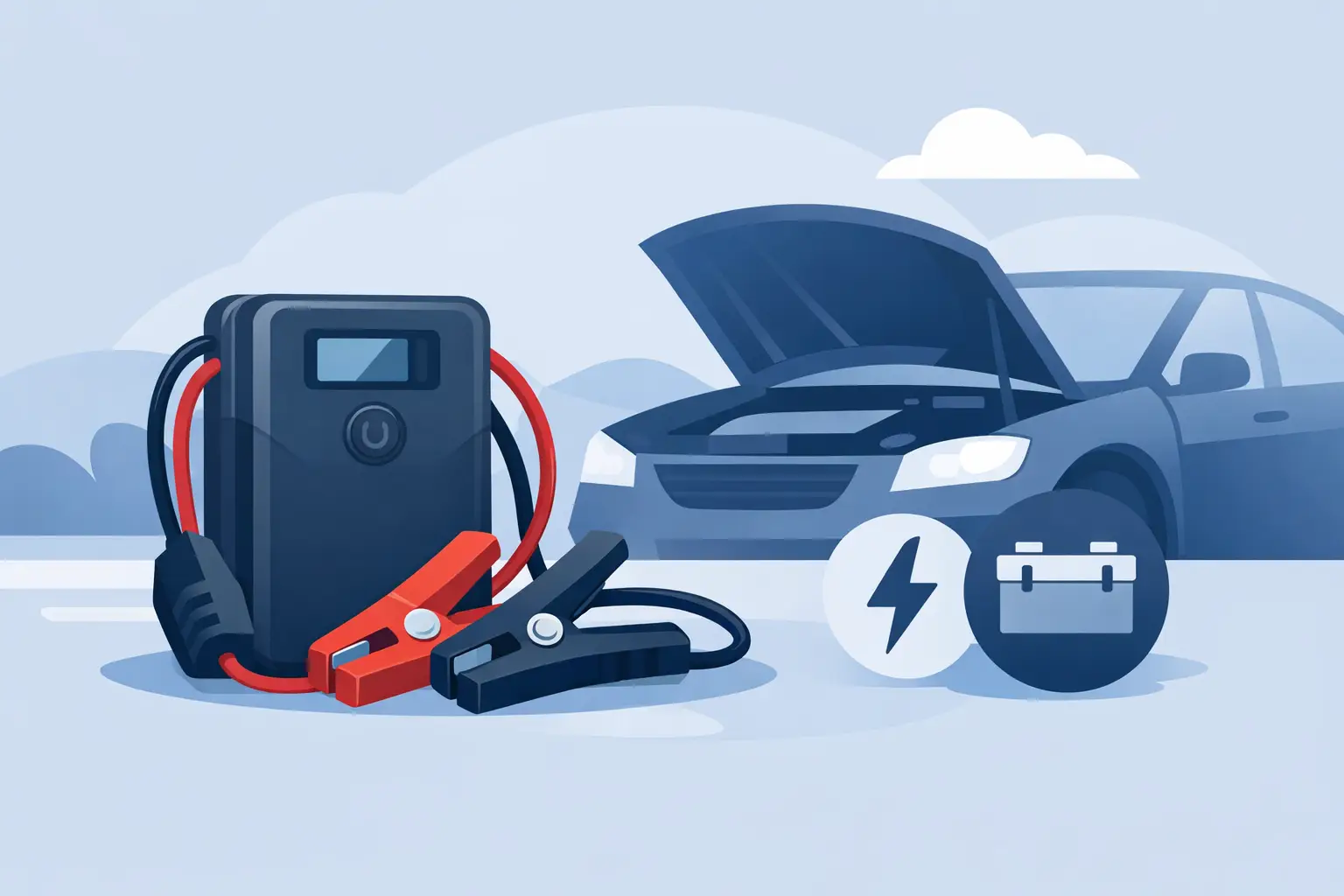
Most modern jump packs use lithium battery cells to deliver a short, high-current burst through clamp leads. Connect the positive clamp to the positive battery terminal, attach the negative clamp to a suitable ground point or the negative terminal according to the vehicle and jump starter instructions, then activate the unit. That burst gives the starter motor enough power to crank the engine when the vehicle battery is too weak to do it alone.
Unlike traditional jumper cables, a jump pack does not require a second vehicle. That is the convenience advantage, especially for commuters, apartment dwellers, solo travelers, and owners of weekend cars that may sit between drives. Many models also double as USB power banks, LED emergency lights, and occasionally air compressors, so one compact device can cover several roadside needs.
There is a limit, though. A jump starter is designed to start a vehicle with a depleted battery, not repair a failing charging system or a battery with a bad cell. If your car needs a boost repeatedly, have the battery, alternator, and connections tested. Treat the jump pack as insurance, not a permanent workaround.
Start With Your Engine Size and Vehicle Type
Peak amps are the headline specification shoppers see first, but they are only part of the story. Small gas engines generally need less starting power than large V8s, diesels, and high-compression performance engines. A compact sedan may work well with a modest pack, while a full-size truck, diesel SUV, or vehicle with a larger luxury engine benefits from a higher-capacity unit with stronger real-world cranking ability.
Check the manufacturer’s listed engine limits before buying. Look for wording that specifies supported gas and diesel engine sizes, not just a huge peak-amp claim. If you drive a BMW, Mercedes-Benz, Audi, Porsche, Land Rover, Lexus, Tesla support vehicle, or another premium vehicle with complex electronics, follow the factory guidance for jump points. Some vehicles have designated terminals under the hood even when the battery is located elsewhere.
Cold weather changes the equation. Batteries lose available power as temperatures drop, while engines need more effort to turn over. Drivers in northern states should avoid buying at the absolute minimum rating for their engine. A little extra capacity is a practical value, particularly if the jump pack may spend part of the winter in a cold trunk.
The Specs That Matter at Checkout
A compact unit can look like a great deal until it lacks the cables, charging options, or safeguards needed for your vehicle. Compare the full package, not just the sale price. These are the details worth checking:
- Engine rating and output: Confirm the listed gas and diesel engine limits. Higher ratings are useful for larger engines and colder climates, but do not pay extra for extreme output you will never need.
- Clamp quality and safety protection: Smart clamps with reverse-polarity, short-circuit, overcharge, and spark protection reduce the chance of a stressful mistake at the curb.
- Battery capacity and recharge method: A larger internal battery can provide more attempts and better phone-charging usefulness. USB-C charging is especially convenient because many drivers already keep a compatible cable in the car.
- Size, case, and storage: A starter that fits neatly in a glove box, under-seat organizer, or trunk emergency kit is more likely to stay with the vehicle. A hard case helps protect clamps and cables from getting tangled or damaged.
An integrated air compressor can be worth the added cost if you do not already carry a tire inflator. It is especially handy for seasonal pressure drops and slow leaks. The trade-off is size: combo units are often heavier and slower to recharge than a simple jump pack. If trunk space is tight, a dedicated jump starter and separate compact inflator may be the better setup.
Safety Features Are Not Optional Extras
A jump starter should make a stressful situation easier, not introduce another risk. Smart clamp systems are a strong feature because they typically alert you when the clamps are reversed or improperly connected. They cannot replace basic care, but they provide an extra layer of protection for drivers who do not jump-start vehicles often.
Before using any pack, park safely, shift into Park or Neutral, set the parking brake, and switch off accessories such as headlights, climate control, and audio equipment. Inspect the battery area for cracks, leaking fluid, or an unusual smell. Do not attempt to jump a visibly damaged or frozen battery.
Keep the clamps from touching each other once the unit is powered on. After the engine starts, disconnect the pack promptly in the order recommended by its instructions. Let the vehicle run or drive long enough to assess whether the battery will hold a charge, but remember that a short idle is not a diagnosis. If the warning light stays on or the car dies again, schedule service rather than repeatedly boosting it.
Where and How to Store Your Jump Pack
A jump starter that is dead when your car battery is dead is not much help. Check its charge every two to three months, and top it up before a road trip or a seasonal weather change. Some units hold a charge for many months, but real storage conditions, internal electronics, and previous use affect that claim.
Extreme heat is harder on lithium batteries than most people realize. Avoid leaving the pack on a dashboard or in direct summer sun. A shaded trunk compartment, center console, or interior emergency bag is usually a better choice, provided the product instructions allow vehicle storage. In severe winter weather, bringing it indoors can preserve performance, especially if you know the vehicle has a weak battery.
Build a compact roadside kit around it. Include work gloves, a flashlight, a tire pressure gauge, a reflective vest, and a charging cable for the jump pack. You do not need a huge box of gear. You need the essentials organized well enough to use after dark, in bad weather, or when you are running late.
When a Deal Is Actually a Good Buy
Discounted automotive gear is appealing, but a low price only delivers value when the product fits your vehicle and routine. Compare the current price against capacity, included accessories, warranty terms, and verified buyer feedback about cold starts and clamp durability. A heavily discounted no-name pack with vague engine ratings may be less useful than a recognizable brand with realistic specifications and a dependable safety system.
For a daily-driver sedan, prioritize portability, USB-C charging, and smart clamps. For trucks, larger SUVs, classic cars, and vehicles that sit for long stretches, choose more starting headroom and a protective carrying case. Enthusiasts who keep detailing supplies, organizers, and recovery gear in the trunk may prefer a combo model that also handles tire inflation.
GodrakeShop-style deal hunting works best when you start with the job the product must do, then compare the features that support it. A portable jump starter is a small purchase compared with a tow, a missed appointment, or being stranded after a late shift. Keep it charged, choose it for your engine instead of the marketing number alone, and it will be ready when your vehicle is not.